
The Hidden Cost of Manual Tarp Handling
Most operational inefficiencies don’t start with a major breakdown.
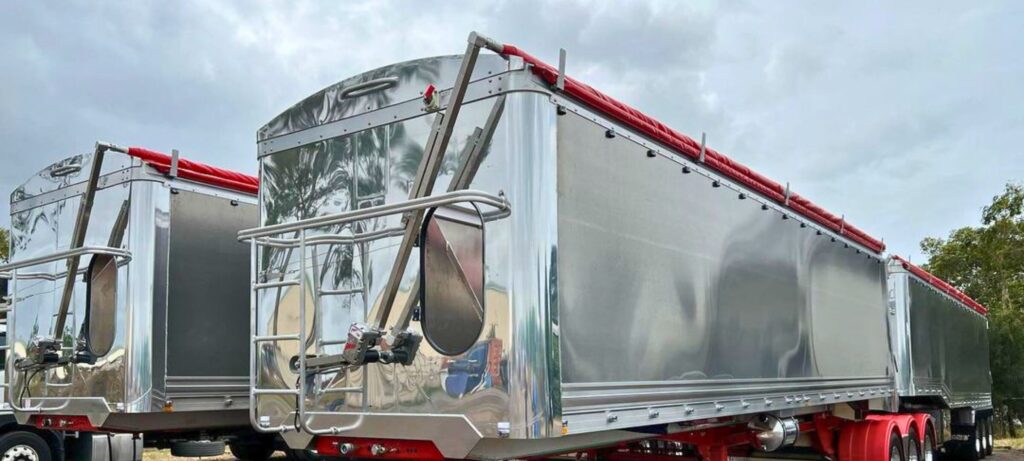
More often, they develop gradually through repetitive manual processes that become accepted as part of the daily workflow. In transport operations, especially around trailers and loading procedures, small inefficiencies repeated consistently throughout the day can quietly shape how efficiently an operation actually performs.
Manual tarp handling is one of those processes.
For many operators, manually pulling tarps, winding systems, repositioning material, climbing onto trailers, and repeating the same setup procedures have simply become part of the routine. The issue is not usually one individual task. It is the repetition of those tasks across multiple stops, multiple drivers, and long operational days that begins to create friction within the workflow.
Over time, small delays become embedded into the operation itself. Most operators do not notice the process itself at first. The repetition only becomes obvious once the task has been performed hundreds of times across busy operational days.
Repetition Changes the Cost of a Task
In transport operations, repetition matters. A task that only takes a few additional minutes in isolation can become far more significant when repeated dozens of times per day across an entire fleet.
Manual tarp handling often involves:
- repeated climbing and movement around the trailer
- pulling and adjusting tarps manually
- rechecking positioning and tension
- additional setup time during loading and unloading
- inconsistent operation between drivers

None of these tasks appear dramatic on their own. However, when repeated consistently throughout busy yard operations, grain handling, quarry work, or bulk haulage, they begin to affect workflow consistency, loading speed, operator fatigue, and overall operational efficiency.
The issue is not usually one major delay. It is five smaller interruptions before 9am that slowly change the pace of the day.
This is one reason why more operators are starting to look more critically at the processes surrounding trailer operations rather than focusing only on the truck itself.
The Operational and Safety Impact
The operational conversation around trailer systems is increasingly overlapping with safety and manual handling considerations.
According to Safe Work Australia, body stressing remains one of the leading causes of serious workers’ compensation claims across the transport, postal and warehousing sector.[1] Many of these injuries are associated with repetitive physical tasks, awkward movements, climbing, lifting, and strain-related activities during loading and unloading procedures.
Trailer tarp operation is one of the most repeated manual processes in many transport environments. Climbing onto trailers, handling tarp systems manually, and repeatedly securing loads can introduce unnecessary physical strain throughout the day, particularly in high-frequency loading environments.
In many transport operations, covering and securing loads is not simply an operational preference. Depending on the material being transported and the jurisdiction involved, operators may also be required to comply with load restraint and debris prevention regulations.[5]
The challenge is not simply physical effort. Repetitive manual tarp handling can also contribute to:
- slower turnaround times
- inconsistent processes between operators
- additional fatigue during long shifts
- unnecessary interruptions during busy yard operations
- avoidable operational friction around the trailer
Some repetitive processes stop being questioned simply because everyone is too busy repeating them.
As operational expectations across the industry continue to shift, more fleets are looking at ways to reduce unnecessary manual handling while improving consistency across day-to-day operations.
Why More Fleets Are Moving Toward Powered Tarp Systems
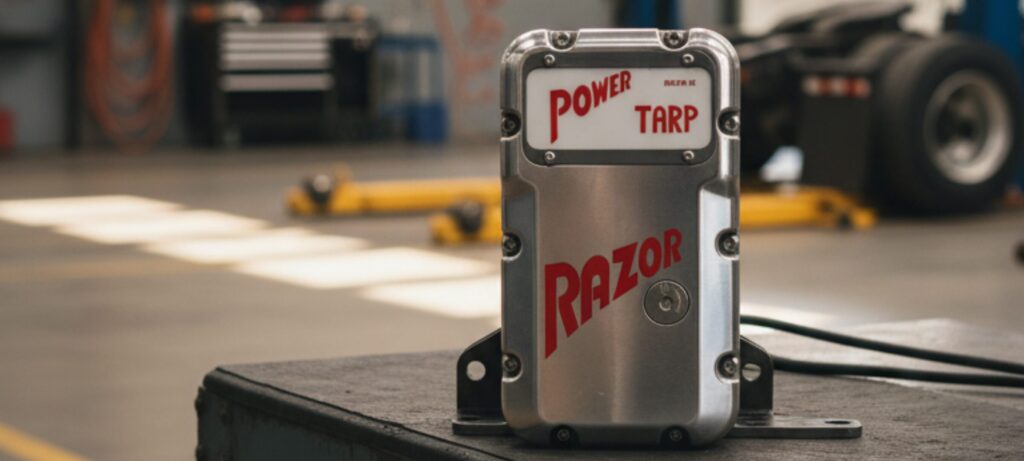
One of the clearest operational shifts in recent years has been the increased adoption of powered tarp systems and automated trailer processes.
Unlike traditional manual tarp setups, powered rollover systems are designed to simplify repetitive trailer tasks by reducing manual winding, repeated climbing, and unnecessary physical handling. JOST Australia notes that powered rollover tarp systems can help reduce manual operation while improving ease of use and operational efficiency around the trailer.[2]
The benefit is not simply convenience.
For many operators, powered tarp systems improve the overall consistency of the loading and unloading process. Tasks become easier to repeat, less physically demanding, and less dependent on individual operating styles between drivers.
That consistency becomes increasingly important across:
- bulk haulage operations
- grain transport
- quarry products
- high-frequency loading environments
- fleet operations with multiple drivers and trailers
The broader transport industry has also increasingly focused on technologies and operational processes that improve efficiency while reducing manual strain and exposure to injury risks.[3][4]
Manual tarp handling rarely feels dramatic. Usually it just feels slightly inconvenient, repeatedly, for years.
Real-World Operational Perspective
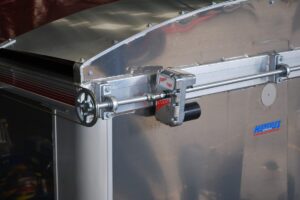
For Hercules Engineering, operational consistency and reduced manual handling were key reasons behind their long-term use of Razor systems across quarry products, grain, and woodchip operations.
As Kevin Wright, Sales Manager at Hercules Engineering, explains:
The most pleasing aspect about a Razor rollover tarp is that the drivers don’t have to exit the vehicle to crank handles or pull the tarp back and forth anymore.
He also highlights the operational safety advantages created by reducing repeated manual handling around the trailer:
That is a significant factor as far as safety is concerned because you reduce the chances of an operator injuring himself.
Wright also notes that powered tarp systems improve the overall tightness and consistency of the tarp itself during transport:
When you have a rollover tarp that is powered electrically, you’ll generally find the system for the tarps is much tighter, rather than a manually-fastened one that is prone to flapping around while on the road.
These operational improvements may appear relatively small in isolation, but they become far more meaningful when repeated every day across busy transport operations.
The Industry Is Paying Closer Attention to Process
Across the trucking industry, there is a growing focus on operational consistency, workflow efficiency, and reducing unnecessary friction around repetitive tasks.
The fleets adapting early are not necessarily making dramatic operational changes. In many cases, they are simply paying closer attention to the repetitive processes that occur most frequently throughout the day and identifying areas where unnecessary effort, manual handling, or inconsistency can be reduced.
That shift is gradually changing how operators think about trailer systems, loading procedures, and tarp operation.
The conversation is no longer only about completing the task. Increasingly, it is about how consistently, efficiently, and safely the task can be repeated across daily operations.
Over time, the small operational decisions around the trailer start influencing the pace, consistency, and physical demands of the entire workflow.
Looking More Closely at the Process
Most operational inefficiencies do not look serious in isolation. That is often why they persist for so long.
A few additional minutes here. Repeated physical effort there. Extra steps that have simply become accepted as normal.
But over time, those small inefficiencies compound into operational friction, fatigue, and inconsistency across the workflow.
Sometimes the biggest operational improvements do not come from changing everything. They come from taking a closer look at the repetitive processes that happen every single day.
Because the small stuff has a way of adding up.
References
[1] Safe Work Australia, Transport, Postal and Warehousing Industry Profile — identifies body stressing as a leading cause of serious workers’ compensation claims within the sector.
https://www.safeworkaustralia.gov.au/
[2] JOST Australia – Razor DII Rollover Tarp System — references reduced manual winding, improved ease of operation, and reduced physical handling around trailer tarp systems.
https://www.jostaustralia.com.au/products/razor/rollover-tarp-system.html
[3] OSHA (Occupational Safety and Health Administration), Ergonomics and Manual Material Handling Guidance — outlines the impact of repetitive manual handling and awkward movement on workplace injury risk.
https://www.osha.gov/ergonomics
[4] National Transport Commission (Australia), Heavy Vehicle Safety and Productivity Program Guidance — discusses operational safety improvements and reducing transport inefficiencies across heavy vehicle operations.
https://www.ntc.gov.au/
[5] National Heavy Vehicle Regulator (NHVR), Load Restraint Guide — outlines responsibilities relating to securing loads and preventing materials from becoming dislodged during transport.
https://www.nhvr.gov.au/